Christmas decorating trends 2026
Designing Festive Experiences that truly connect
As retail continues to evolve, Christmas remains one of the most powerful opportunities for shopping centres to create memorable customer experiences. However, Australian shoppers expect more than traditional festive displays. They want Christmas experiences that reflect their culture, climate and community.
Unlike the northern hemisphere, Australia celebrates Christmas during summer. Therefore, successful Christmas decorating needs to feel authentic, local and relevant. When shoppers see themselves reflected in a display, they connect more deeply with the experience.
For Christmas 2026, four key decorating trends are emerging across the global industry, including at leading trade shows such as Christmasworld. While each trend offers a distinct style, they all share one goal: creating stronger emotional connections while giving your shopping centre a unique festive identity.
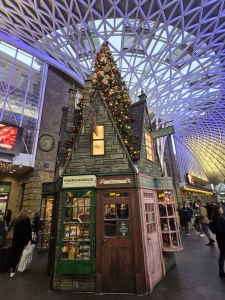
Nostalgia: Shared Memory with a Local Twist
Australians increasingly seek experiences that resonate personally and culturally. While classic Christmas shapes and colours — red and green palettes, traditional ornaments, and warm lighting — remain powerful, adding Australian elements increases the link to the community.
Think about: Traditional colours of red, gold and green shown through Australian foliage like banksia, eucalyptus and wattle)
Why it matters here:
Christmas in Australia isn’t winter; it’s vibrant and sunlit. Nostalgia that reflects local summer memories builds deeper connection and encourages visitation at times when families are seeking both tradition and seasonal escapism.

Fantasy: Creating Escape in Everyday Spaces
In 2026, fantasy leverages lightweight materials, suspended forms and dynamic lighting rather than heavy installations. This approach works perfectly with high ceilings and open-air spaces common in many Australian centres.
Think about: Installations that animate in the evening as daylight fades, night markets and events that connect the Festive displays with extended hours and dining precincts.
Why it matters here:
Australians love outdoor living and evening summer culture. Holiday décor that evolves into the night — becoming more animated after dark — extends dwell time and supports food & beverage trade.

Romance: Soft Glamour that Fits Local culture
Romantic décor has strong resonance in Australia’s premium retail and arts precincts, where design quality and curated aesthetic matter to local audiences.
For Christmas 2026, this trend is about subtle elegance, not overstatement — refined colour palettes, sculptural forms, and curated lighting that feels like an experience rather than a backdrop.
Think about: Integration with designers, collaborating with large brand. And use of natural materials and warm tones in decor.
Why it matters here:
Australian consumers appreciate authenticity and design-forward experiences. When romance is executed with local design sensibility, it elevates the centre’s brand and contributes to social sharing that feels organic rather than staged.

Sustainability Visible Responsibility that Resonates
Sustainability is no longer optional — and the Australian consumers increasingly expect it. In 2026, successful festive schemes in this market will be those where sustainability is not just a tagline, but visible in material choice, lifecycle planning and storytelling.
Think about: using locally sourced materials to reduce transportation impact, choosing modular, reusable décor that can be refreshed each year. And of course sharing the sustainability story with visitors.
Why it matters here:
Consumers in Australia are vocal about environmental impact. Visible, authentic sustainability reinforces a centre’s commitment to community values and can give retailers and Shopping centres a level of authenticity.

A Strategic, Locally Relevant Approach
The most impactful Christmas experiences in Australia will not be one-dimensional. They will thoughtfully layer nostalgia, fantasy and romance — all underpinned by sustainability — with an eye toward local culture, climate and consumer behaviour.